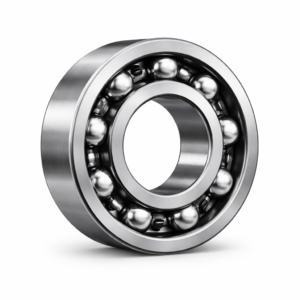
6205-2RS Deep Groove Ball Bearing – OEM Replacement
Overview
The 6205-2RS is one of the most popular bearing sizes in the world, used anywhere a 25 mm shaft needs reliable, low-friction support. As an OEM replacement deep groove ball bearing, it’s a practical choice for maintenance teams that want consistent performance and easy sourcing.
Applications
You’ll find the 6205 in conveyors, pumps, fans, electric motors, agricultural machinery, and compact gear drives. The 2RS seals are ideal for dusty plants, material handling, and general production environments where grease retention matters.
Compatible Machines
Common machine types include packaging conveyors, carton/labeling equipment, centrifugal pumps, blower housings, and belt-driven assemblies. If your machine runs continuously, specifying the correct internal clearance and grease grade can improve life.
Technical Specifications
- Bore (ID): 25 mm
- Outside Diameter (OD): 52 mm
- Width: 15 mm
- Sealing: 2RS rubber seals (double sealed)
- Typical material: chrome steel (52100) or equivalent
- Lubrication: pre-greased for general-purpose duty
Cross References
Cross references often include 6205, 6205-2RS, 6205-RS, 6205-ZZ, and equivalent numbers across major brands. If your old bearing shows “C3”, keep that clearance for higher temperature or interference-fit applications.
Replacement Information
Verify ID/OD/width and confirm the old bearing’s suffixes (seals, shields, clearance). Check the shaft for fretting and the housing for looseness. Use correct installation tools and avoid pressing through the rolling elements. Consider replacing both bearings on the shaft during planned downtime.
Why Source With Us
We can source OEM-equivalent or premium-grade 6205 bearings quickly, including sealed/shielded and clearance options. Submit an RFQ with quantity and application notes (speed, load, temperature) and we’ll recommend the best-fit replacement.
Internal Links
Quick FAQ
What does the suffix mean? Common suffixes include ZZ (metal shields) and 2RS (rubber seals). Seals help retain grease and exclude contamination.
How do I confirm fit? Match the bearing designation, bore size, OD, and width. If your old bearing has an extra internal clearance suffix (like C3), keep that specification.
Can I upgrade quality? Yes—use premium grades for higher speeds, higher temperatures, or continuous-duty service.