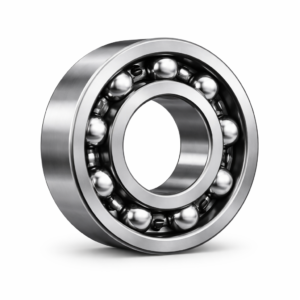
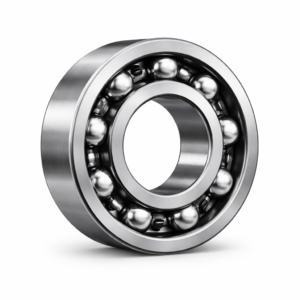
22210E Spherical Roller Bearing – OEM Replacement
Overview
The 22210E spherical roller bearing is a popular heavy-duty OEM replacement choice for applications that see high radial loads and shaft misalignment. Its self-aligning design helps reduce edge loading and premature wear when housings flex, shafts deflect, or alignment is difficult to maintain.
Applications
Common uses include conveyors, vibrating equipment, crushers, fans, heavy pumps, and industrial drives where loads and misalignment coexist. Spherical roller bearings are a staple in bulk material handling and mining-related equipment because they tolerate harsh conditions when properly lubricated.
Compatible Machines
You’ll often find 22210-series bearings in conveyor pulleys, shaker screens, industrial fans, and gear-driven shafts. Many installations use plummer blocks or split housings and require routine relubrication to maximize life.
Technical Specifications
- Bearing type: spherical roller bearing (self-aligning)
- Typical bore: 50 mm (verify exact suffix/series)
- High radial load capacity and moderate axial load capacity
- Accommodates misalignment between shaft and housing
- Often supplied with brass/steel cage depending on series
- Lubrication: grease or oil; relubrication recommended in heavy duty service
Cross References
Cross references include 22210, 22210E, and brand-specific suffixes for cage type, internal clearance (e.g., C3), or bore configuration (cylindrical vs tapered). Confirm whether your application uses a tapered bore with an adapter sleeve, which changes the exact ordering code.
Replacement Information
Verify the full bearing code, bore type, and clearance. Inspect housing seats and shafts for fretting, and confirm the sealing arrangement (housing seals, labyrinths, etc.). Follow correct mounting practices, especially for tapered bores where internal clearance is reduced during installation. Establish a relubrication plan based on speed, load, temperature, and contamination.
Why Source With Us
We can source OEM replacement spherical roller bearings with the correct clearance, bore type, and cage selection. Submit an RFQ with your full code, housing type, and operating conditions so we can match the bearing and recommend proven alternatives if lead time is tight.
Internal Links
Quick FAQ
What does the suffix mean? Common suffixes include ZZ (metal shields) and 2RS (rubber seals). Seals help retain grease and exclude contamination.
How do I confirm fit? Match the bearing designation, bore size, OD, and width. If your old bearing has an extra internal clearance suffix (like C3), keep that specification.
Can I upgrade quality? Yes—use premium grades for higher speeds, higher temperatures, or continuous-duty service.